How Local Talent Thrives in Basketball Club Teams San Diego
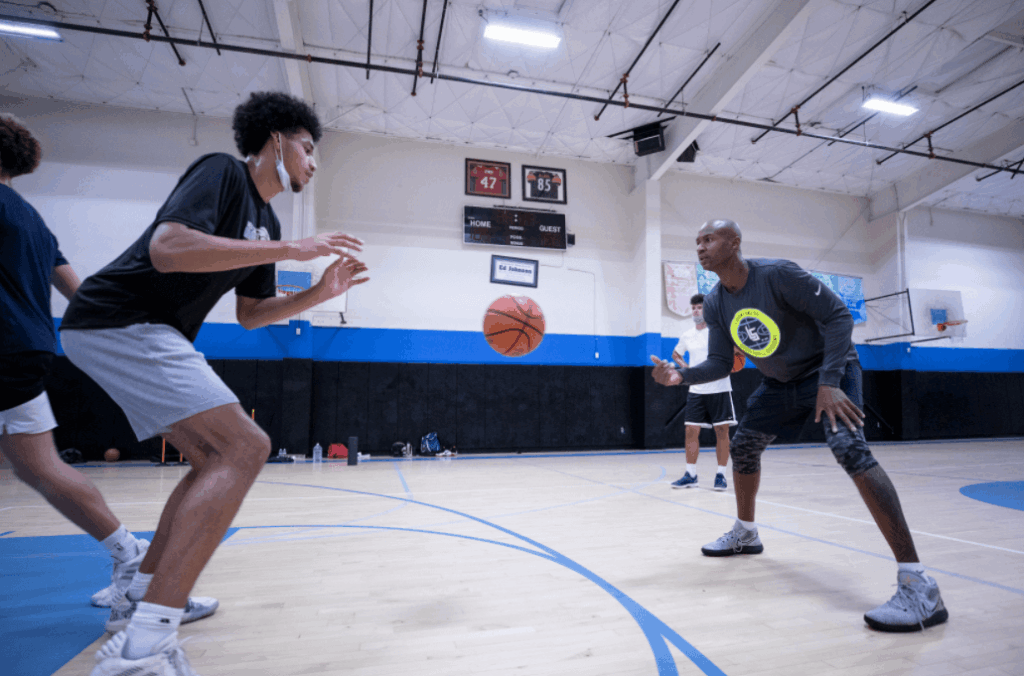
San Diego has always had the ingredients for strong basketball. The weather keeps gyms, parks, and outdoor runs active almost year-round. The region pulls families from military communities, public school systems, private academies, and a wide mix of neighborhoods with very different basketball cultures. College programs, former pro players, skilled trainers, and ambitious youth coaches all feed into the same ecosystem. When that ecosystem works well, local players do more than fill roster spots. They develop into dependable high school contributors, college prospects, and in some cases, long-term students of the game who stay connected as coaches and mentors.
That is the part people often miss when they talk about club basketball. They focus on tournaments, travel, social media clips, and rankings. Those things exist, and some matter. But local development usually comes down to something less flashy. It comes down to repetition, fit, coaching standards, and whether a young player finds the right environment at the right age.
In Basketball Club Teams San Diego, local talent tends to thrive when clubs resist the temptation to chase short-term wins at the expense of long-term growth. A 12-year-old who learns to read a hedge, close out under control, and finish through contact has gained something far more durable than a weekend trophy. The clubs that understand this usually build stronger programs over time, because parents notice real progress and players stay longer.
What makes San Diego a uniquely fertile basketball market
The first thing to understand about San Diego is that it is not a one-lane basketball city. Talent comes from everywhere. You have suburban athletes with access to strength training and private skills work. You have city players who grew up in competitive park runs and bring a different edge. You have kids from military families who are used to adapting quickly and fitting into new teams. You have multi-sport athletes who may not specialize in basketball until later, but arrive with excellent footwork, body control, and coachability.
That diversity matters. It means club teams are not drawing from a narrow pipeline. They are blending playing styles, personality types, and developmental backgrounds. A good coach can turn that mix into a real advantage. One roster may have a quick lead guard from a public school program, a rangy wing from a volleyball background, a post player with football strength, and a shooter who has spent two years in private lessons refining mechanics. If coached well, that group can become more than the sum of its parts.
San Diego also benefits from geography. A family in North County, the South Bay, East County, or central San Diego may have different commute patterns and school affiliations, but they are still close enough to compete in the same broad club scene. That creates healthy pressure. Players cannot coast for long because another gym across town is producing a point guard who defends harder or a forward who rebounds better.
At the same time, the region is not so saturated that players disappear in the crowd the way they sometimes do in larger metropolitan basketball hubs. In San Diego, strong local players can still become known within the community. High school coaches hear about them. Trainers compare notes. Club directors track them. That visibility can help a late bloomer catch up.
The local player who benefits most from club basketball
Not every player needs the same type of club experience. That is one of the first lessons parents learn, often after wasting a season with the wrong team. The player who thrives is not always the one with the earliest highlight tape or the most advanced handle in middle school.
In my experience, three types of local players often gain the most from club basketball in San Diego. First, there is the fundamentally sound player from a school or rec background who needs a faster game. That athlete may already pass well, rotate correctly, and compete hard, but club basketball exposes them to better spacing, stronger pressure, and more athletic matchups. Their learning curve steepens quickly.
Second, there is the raw athlete who needs structure. San Diego produces a lot of players with natural tools, length, speed, explosiveness, but uneven feel. In the right club program, those players can make dramatic jumps in a year because repetition sharpens instinct. Once they learn timing on weak-side help or where to relocate after driving and kicking, their physical gifts begin to matter more.
Third, there is the late-developing worker. This player is easy to overlook at 13 and valuable at 16. They may be average in size early on, or lack confidence, or play behind older teammates. What separates them is that they absorb coaching, improve steadily, and do not flinch when the game gets harder. Strong Basketball Club Teams San Diego often identify and retain these players because good coaches know that early dominance is not the same thing as long-term ceiling.
Coaching is still the biggest variable
Facilities matter. Competition matters. Exposure matters. Coaching matters more.
A club can have the nicest uniforms in the county and still fail its players if its coaches do not teach. Teaching does not mean yelling instructions every possession. It means building habits. It means correcting foot placement on a defensive slide, not just demanding more effort. It means showing a wing player how to attack the top foot of a closeout. It means helping a young post understand when to seal, when to short roll, and when to clear space for a driving guard.
The best youth and club coaches in San Diego share a few traits. They value skill work that transfers into games. They understand age-appropriate expectations. They know the difference between confidence building and false praise. They also communicate honestly with families, which is harder than it sounds. A coach who can tell a parent, respectfully, that their child needs to defend and rebound before worrying about being a primary scorer is doing important work.
There is also an art to balancing development and competitiveness. If a coach ignores winning entirely, players can pick up loose habits. If a coach chases every weekend result, the roster often shrinks into six trusted players while everyone else stagnates. The strongest clubs avoid both traps. They teach concepts, demand accountability, and still create enough structure for players to execute under pressure.
I have seen this in practical terms. A local eighth grader who struggled against ball pressure early in the spring can look like a different player by late summer if a coach insists on weekly reps against traps, hard hedges, and denial defense. The improvement usually does not come from one dramatic lesson. It comes from dozens of ordinary possessions in practice where the standard stays high.
Development is not linear, especially from 12 to 17
One of the healthiest things a club program can do is remind families that growth in basketball rarely follows a clean upward line. A player may dominate at 11 because they matured early, then stall at 14 when peers catch up. Another may sit quietly at the edge of the rotation for two years, then suddenly become essential once their body, confidence, and decision-making align.
This is particularly true in San Diego, where the athletic pool is broad and players often divide time among school ball, club commitments, training sessions, and in some cases another sport. Fatigue, confidence, role changes, growth spurts, and school demands all shape development. A season that looks disappointing from the outside can still be productive if a player becomes stronger with the ball, more consistent as a shooter, or more disciplined on defense.
The most effective club environments build around that reality. They do not panic when a player has a bad tournament. They look for patterns. Is the player getting to the right spots but finishing poorly? Are they rushing because the pace is new? Are they defending well but losing confidence after missing shots? Those are coachable problems. Overreaction helps nobody.
Families sometimes assume that a child must play on the highest-profile team immediately to have a future. That is not always true. For many players, especially local talent still growing into their game, a well-coached second team with meaningful minutes can be more valuable than a top roster seat with limited opportunity. Reps matter. So does responsibility. A player who gets to handle late-game possessions, defend strong opponents, and learn through mistakes often develops faster than the player who only watches.
The role of competition, and the danger of chasing status
Club basketball works best when competition is used as a mirror, not as marketing. Good tournament weekends reveal truth. They show whether a team can handle pressure, whether a guard can create an advantage without overdribbling, whether a forward can rebound outside their area, whether help-side defenders rotate on time. Those lessons are valuable.
Problems start when status becomes the main product. Some clubs sell prestige before substance. Parents hear about shoe circuits, elite brackets, or national visibility, and those things can sound irresistible. But if the player is not physically or technically ready for that level, the experience can backfire. Too many overwhelmed possessions can chip away at confidence. Too little playing time can stall growth. Too much travel can drain a family budget without adding much basketball value.
This is where local knowledge matters. In Basketball Club Teams San Diego, experienced families often learn to ask different questions. Who is teaching the team? What does practice look like? How many players actually improve year over https://rylanwuxu050.evergrovio.com/posts/basketball-club-teams-san-diego-building-champions-on-and-off-the-court year? What happens to the ninth player on the roster? Does the club have honest relationships with high school programs, or is it constantly overselling outcomes?
The answers matter more than branding. A solid club with tough local scheduling, strong teaching, and a healthy team culture can do more for a player than a bigger name with vague promises.
Why fit often beats hype
A player can be talented and still be in the wrong setting. I have seen skilled guards buried on rosters that already had two dominant ball handlers. I have seen young bigs asked to play like wings before they had the footwork or strength to do so. I have seen shooters lose rhythm because every practice turned into freelance scrimmaging with no teaching around spacing, shot selection, or reads.
Fit starts with style of play, but it goes beyond that. Some players need a demanding voice. Others respond better to measured feedback. Some need a roster where they can stretch responsibility. Others benefit from a narrower role that lets them master a few things first. The right environment can make average confidence look like strong confidence in a matter of months.
Parents should pay attention to small clues. Does the coach know the player’s tendencies? Are corrections specific? Does the team’s offensive structure create touches for different positions, or is everything built around one scorer? Does practice time reflect game priorities, or is everyone just logging run after run with little instruction?
When local players land in the right club, growth tends to compound. They improve in practice, then trust themselves more in games, then carry that confidence back into school season. High school coaches notice players who are more poised, more vocal, and more reliable in transition defense. Those gains are not accidental. They come from fit.
The family factor, often overlooked and always important
No youth basketball system can ignore the role of family. In San Diego, where traffic, cost, and scheduling can complicate everything, family support often determines whether a talented player can sustain club participation. Even local teams can require long drives, tournament fees, gear costs, and weekends built around gym schedules.
Support helps, but overmanagement can hurt. Players grow better when families back the process without trying to control every possession, every minute distribution, or every lineup decision. The healthiest club experiences usually involve clear communication and reasonable expectations. Parents should know what the team values, what role their child is earning, and where improvement is needed. They do not need a postgame autopsy after every Saturday loss.
There is also a practical side. Rest, nutrition, school balance, and injury prevention matter more than families sometimes realize. A player who attends every training session but sleeps poorly and eats erratically will struggle to develop. The game can expose that quickly. Legs go first, then decision-making, then confidence.
A few habits consistently help young players hold up across school and club seasons:
- Keep one true recovery window each week, even during busy tournament periods.
- Treat shooting form, footwork, and finishing as year-round maintenance, not seasonal fixes.
- Watch game film selectively, looking for patterns rather than obsessing over mistakes.
- Communicate early about soreness or burnout instead of pushing through everything.
- Prioritize team fit and coaching quality over social media appeal.
Those habits sound simple because they are. The challenge is consistency, especially when the basketball calendar feels nonstop.
How local clubs help players get seen, without pretending exposure is automatic
Exposure is part of the club basketball conversation, and it should be. For older players, especially during high school years, club events can put them in front of the right eyes. But meaningful exposure is usually earned through performance and fit, not purchased through registration.
A club helps when it places a player in competitive games, teaches them how to impact winning, and gives them enough role clarity to show real strengths. College coaches, prep coaches, and high school staff are not looking only for volume scorers. They notice defenders who talk, wings who make quick decisions, guards who value the ball, and bigs who run hard and protect the rim.
San Diego players can benefit from this because the area still has room for underrecruited prospects to emerge. A strong spring and summer, paired with a reliable school season, can change how a player is perceived. But clubs need to be honest about where a player stands. Not every sophomore belongs on a heavy travel schedule. Not every event will have recruiting value. The best programs explain that difference clearly.
There is also a local advantage that should not be underestimated. When club coaches have real relationships with area high school staffs and understand the local basketball map, they can guide families more effectively. They can tell a player what kind of role might suit them, what skills local coaches are emphasizing, and where they need to grow before expecting bigger opportunities.
The hidden value of staying local longer
There is a tendency in youth sports to assume that farther means better. More travel, bigger names, tougher circuits. Sometimes that is true. Often it is not.
For many young players, staying local longer is not a compromise. It is a smart developmental choice. Local club schedules can reduce wear and tear, preserve practice time, and allow coaches to focus more on actual teaching. They also make it easier for players to stay connected to school, family routines, and other responsibilities. A 14-year-old does not necessarily benefit from spending every other weekend in airports and hotels if the quality of instruction at home is already strong.
San Diego has enough competition to challenge players without always sending them far away. Good local teams can create meaningful tests. Strong practices can be tougher than mediocre tournaments. In fact, some of the best player development I have seen came from clubs that kept travel selective and used the saved time for skill work, film review, and targeted strength training.
This approach also protects against a common trap. When families invest heavily in travel, they sometimes feel pressure to justify the cost by chasing status. That can cloud judgment. Development does not care how expensive the weekend was. It cares whether the player got better.
What separates the clubs that truly develop local talent
At some point, every club says it develops players. The phrase is so common it has almost lost meaning. But in practice, real development leaves fingerprints.
You can see it in a player’s body language. They process mistakes faster. You can hear it in team talk. Rotations are called earlier, screens are identified more clearly, and huddles sound purposeful instead of chaotic. You can measure it in small things. Turnovers drop. Shot quality improves. Rebounding becomes less random because players understand positioning.
The clubs that produce this kind of progress usually share a few operating principles:
- They teach details repeatedly, even when it slows practice down.
- They place players in roles that stretch them without setting them up to fail.
- They evaluate effort, decision-making, and consistency, not just points per game.
- They build continuity, so players are not relearning a different philosophy every few months.
- They communicate with honesty, especially when expectations need to be adjusted.
None of that sounds glamorous. That is exactly why it works.
Why thriving means more than making the top team
Too many families define success narrowly. They ask whether a player made the best roster, started every game, or posted big tournament numbers. Those can be positive signs, but they are not the whole story. Thriving in club basketball can also mean a player who once avoided contact now attacks the lane with confidence. It can mean a quiet wing who becomes a dependable communicator on defense. It can mean a bench player who learns enough in one season to earn a major high school role the next.
San Diego’s basketball community is full of these quieter success stories. The sophomore who becomes a varsity stopper after two years of disciplined club work. The undersized post who learns face-up footwork and reinvents their game. The late-blooming guard who spends a summer tightening ball security and suddenly looks comfortable against pressure. Those players may not dominate conversation in middle school, but they often become the backbone of winning teams later.
That is the real promise of Basketball Club Teams San Diego when the system works as intended. It gives local players a place to sharpen skill, test themselves, learn team concepts, and grow through competition without losing sight of the bigger picture. The city has the talent. It has the gyms, the trainers, the school programs, and the year-round appetite for the game. What determines whether local talent thrives is not hype. It is the daily quality of the environment around the player.
And when that environment is right, San Diego players do not just keep up. They build games that last.
Lamont Smith Basketball Academy
888 Clairemont Mesa Blvd Suite T-2, San Diego, CA 92123
(619) 639-8778
FAQ About Basketball Club Teams San Diego
How can a player join an LSBA club team?
Players are evaluated during practices so the coaching staff can recommend an appropriate team and development level. Families should contact the academy to confirm current openings and evaluation details.
Are club teams available for newer basketball players?
Yes. LSBA describes multiple levels, including a developmental option for newer players as well as more competitive teams for athletes with prior club experience.
What do LSBA club team practices emphasize?
Practices emphasize basketball fundamentals, team defense, structure, communication, and player development. The specific focus may vary according to the team and experience level.
Do all LSBA teams travel?
Travel expectations vary by level. Some teams focus on local competition, while advanced teams may participate in tournaments elsewhere in Southern California or beyond. Families should confirm the current schedule before enrolling.